Key Takeaways
- Old Marseille is where the city was founded over 2,600 years ago by Greek sailors.
- The district is home to some of Marseille’s most iconic landmarks, including Le Panier, the Old Port, Hôtel de Ville, La Vieille Charité and Marseille Cathedral.
- Its narrow streets, colorful facades and lively squares offer a unique blend of history and Mediterranean culture.
- Exploring Old Marseille is one of the best ways for international students to understand the city’s identity.
- Whether you’re interested in history, architecture, food or photography, Old Marseille has something to offer around every corner.
Where Marseille’s Story Began
Every city has an old quarter.
But few can claim a history as remarkable as Marseille’s.
More than 2,600 years ago, Greek sailors from Phocaea arrived on these shores and founded Massalia, creating what would become the oldest city in France.
Today, that legacy lives on in Old Marseille.
Stretching around the Vieux-Port and the historic district of Le Panier, this part of the city remains the cultural and historical heart of Marseille. Walking through its streets is like travelling through centuries of Mediterranean history, where Roman remains, medieval alleyways, elegant churches and modern cafés coexist within just a few blocks.
For international students, it’s one of the first places to explore—and one you’ll continue returning to throughout your stay.
A City Built Around the Sea
Unlike many European cities that developed around castles or rivers, Marseille grew around its natural harbour.
The Old Port has always been the city’s lifeblood.
For centuries, merchants, fishermen, explorers and travellers arrived here from every corner of the Mediterranean, bringing not only goods but also languages, traditions and cultures that continue to shape Marseille today.
This openness to the world is one of the reasons Marseille feels so different from many other French cities.
Its identity has always been international.
As a student arriving from abroad, you’re simply becoming the latest chapter in a story that has been unfolding for more than two millennia.
Wander Through Le Panier
No visit to Old Marseille is complete without exploring Le Panier, the city’s oldest neighbourhood.
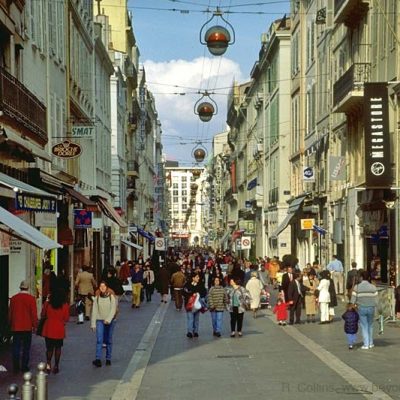
Built on the original Greek settlement, its narrow streets wind between colorful houses, artisan workshops, independent cafés and hidden squares.
Unlike carefully planned modern districts, Le Panier invites you to slow down and get lost.
Every street seems to reveal something unexpected.
A mural painted on an old stone wall.
A staircase covered in flowers.
A tiny art gallery hidden behind wooden shutters.
A bakery filling the air with the smell of fresh bread.
The neighborhood has become one of Marseille’s most photographed areas, but it has managed to preserve its authentic atmosphere.
People still live here.
Children still play in the streets.
Local businesses continue to give the district its unique character.
Monuments That Tell Marseille’s Story
Old Marseille is home to many of the city’s most important historic landmarks.
As you explore the district, you’ll discover:
- The Old Port, where Marseille was founded.
- Marseille City Hall, an elegant Baroque building overlooking the harbour.
- La Vieille Charité, one of France’s finest examples of seventeenth-century architecture.
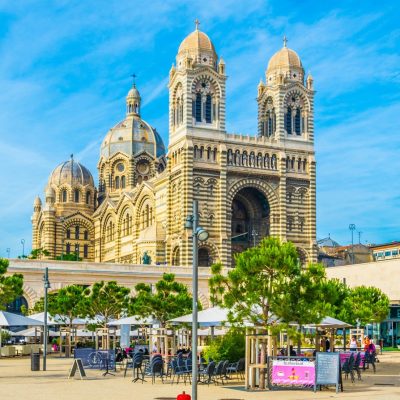
- Marseille Cathedral (La Major), blending Romanesque and Byzantine influences.
- Fort Saint-Jean, guarding the entrance to the harbour.
- Mucem, connecting Marseille’s history with contemporary Mediterranean culture.
- Hôtel Dieu, a former hospital transformed into one of the city’s most prestigious hotels.
Each monument represents a different chapter in Marseille’s long history.
Together, they create one of France’s richest historic city centres.
A Neighborhood Full of Life
Old Marseille isn’t an open-air museum.
It’s a living neighbourhood.
Residents shop at local markets, children walk to school, artists work in small studios and cafés remain busy throughout the day.
This everyday life gives the district an authenticity that many historic centres have lost.
You’ll hear conversations in French, Arabic, Italian, English and many other languages.
You’ll smell fresh pastries, Mediterranean spices and seafood restaurants preparing lunch.
You’ll discover local boutiques sitting alongside centuries-old buildings.
It’s this blend of past and present that makes Old Marseille so fascinating.
Why International Students Love Old Marseille
One of the best things about studying abroad is learning to see history not as something confined to textbooks, but as something you experience every day.
In Old Marseille, history becomes part of your daily routine.
Perhaps you’ll stop for coffee in a square that has existed for centuries.
Walk to class through streets once used by medieval merchants.
Meet friends overlooking a harbour that has welcomed travellers since ancient Greece.
Very quickly, these places stop feeling like tourist attractions.
They become part of your life.
That’s when you truly begin to feel at home in Marseille.
A Paradise for Food Lovers
Old Marseille is also one of the city’s best places to discover local gastronomy.
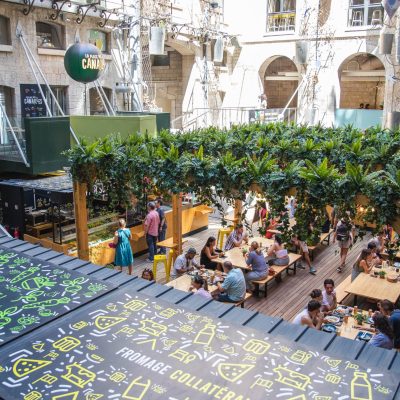
Traditional Provençal restaurants sit alongside contemporary bistros, family-run bakeries and international cafés reflecting Marseille’s multicultural identity.
Whether you’re looking for authentic bouillabaisse, freshly baked navettes, artisan ice cream or a simple espresso overlooking the harbour, you’ll find countless options within walking distance.
Many students quickly discover their own favourite café or terrace and return again and again throughout the year.
The Best Way to Explore
The greatest pleasure of Old Marseille is that it doesn’t require an itinerary.
The best approach is simply to walk.
Turn down side streets.
Climb staircases.
Pause in hidden squares.
Step inside churches.
Browse independent bookshops.
Watch local artists at work.
Some of your favourite discoveries will probably be the ones you weren’t looking for.
That’s exactly how Marseille reveals itself.
Practical Tips
Old Marseille is best explored on foot, so wear comfortable shoes.
Morning is ideal if you’d like quieter streets and softer light for photography, while late afternoon offers a lively atmosphere as cafés begin to fill.
Because many streets are narrow and paved with old stones, take your time and enjoy the slower pace.
Allow at least half a day, although many visitors find themselves returning repeatedly throughout their stay in Marseille.
The Place That Helps You Understand Marseille
There are many reasons to choose Marseille as your study destination.
Its universities.
Its Mediterranean climate.
Its multicultural atmosphere.
Its coastline.
But if you really want to understand the city, start with Old Marseille.
This is where everything began.
Here, history isn’t hidden behind museum glass.
It’s written into every street, every building and every square.
As you explore the neighbourhood, you’ll realise that Marseille isn’t simply a city with a long history.
It’s a city where history is still very much alive.
And for international students, there’s no better place to begin your own Marseille story.
Frequently Asked Questions
What is Old Marseille?
Old Marseille refers to the city’s historic centre surrounding the Old Port, including Le Panier and several of Marseille’s most important historical landmarks.
Why is Old Marseille famous?
It is the birthplace of Marseille, founded by Greek sailors around 600 BC, making it the oldest urban area in France.
How long should I spend exploring Old Marseille?
Half a day is enough to see the main highlights, but many visitors return several times to discover hidden streets, cafés and museums.
Is Old Marseille walkable?
Yes. Most attractions are located within walking distance of each other, making it one of the easiest parts of the city to explore on foot.
Why should international students visit Old Marseille?
It offers the best introduction to Marseille’s history, culture and Mediterranean identity while showcasing the city’s unique blend of ancient heritage and modern urban life.